
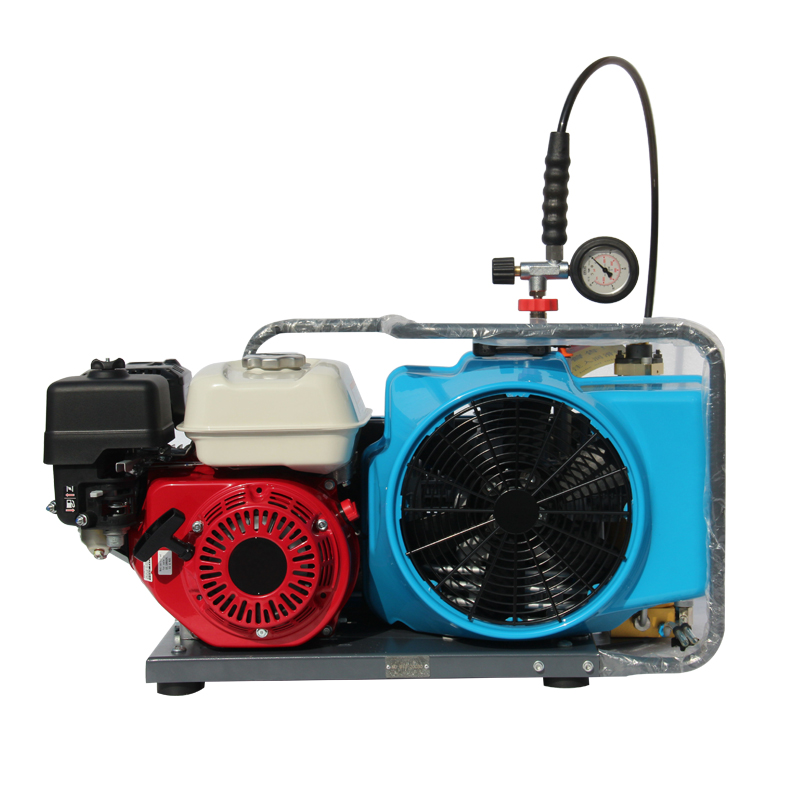
Bearings are important components of air compressor equipment, so what should be paid attention to during bearing maintenance?
1. When a bearing malfunctions, after disassembly, it can be initially cleaned with kerosene or gasoline. Place the bearing on a container with a metal mesh at the bottom to prevent the bearing from directly contacting the dirt at the bottom of the container. After removing sticky substances and grease with a brush, perform a second cleaning by placing the bearing in cleaning oil and rotating it while cleaning. When the cleaning oil becomes dirty, it should be replaced promptly to ensure effective cleaning.
2. Bearing maintenance also has high requirements for installation. Because bearings do not have obvious external features, they can be installed in either direction, making reverse installation very easy. Reverse installation of bearings will cause the equipment to malfunction after assembly, causing greater damage to the machinery.
3. Because the quality of bearings on the market varies, and there are cases of inferior products being passed off as high-quality ones, long-term use of such inferior bearing parts will cause long-term wear and tear on the machinery, reducing the service life of the equipment. Therefore, during maintenance, visual inspection and functional testing of the bearings should be performed to ensure their quality.
4. The connecting rod bearings of some mechanical equipment are easily damaged. After damage, the outer ring remains embedded in the connecting rod hole, making disassembly difficult. In this case, the connecting rod can be clamped with a vise, and a sleeve slightly larger than the connecting rod bearing hole can be used to push against one side of the connecting rod hole. Gradually tighten the vise to squeeze out the outer ring of the bearing, avoiding damage to the equipment.