
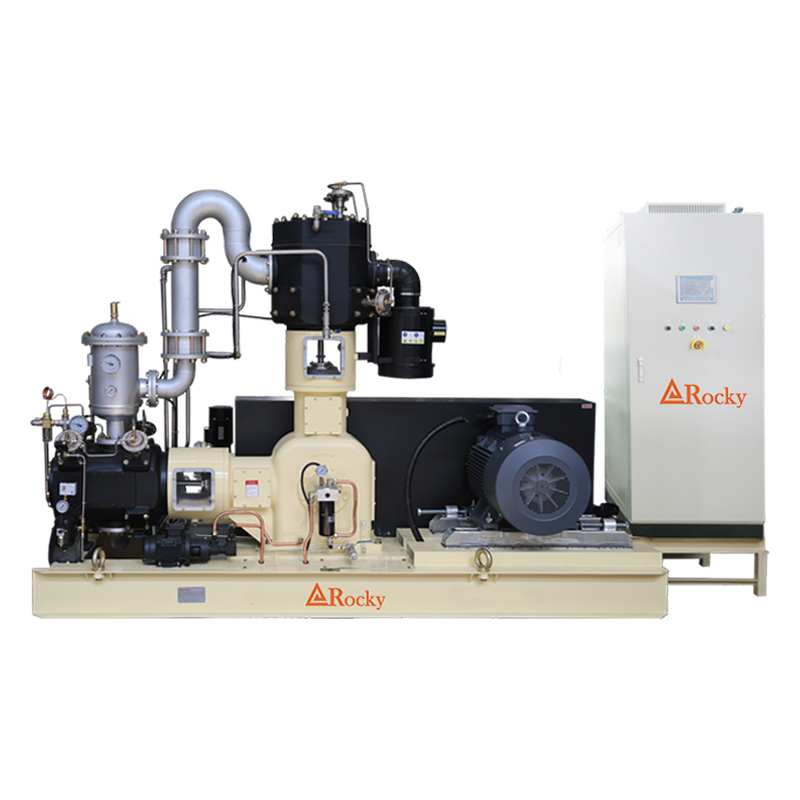
1. The opening pressure of the minimum pressure valve is approximately 4 bar. This ensures that when air is being discharged, the pressure within the oil-gas separator tank does not drop below this minimum threshold, thereby preventing excessive airflow velocity that could compromise the separation efficiency of the oil-gas separator.
2. Upon machine startup, the oil-gas separator tank maintains a certain level of internal pressure; this ensures proper circulation of the lubricating oil and provides the initial control pressure required for the control circuit.
3. It also functions as a check valve (one-way valve), preventing compressed air from the downstream piping network from flowing back into the machine.
Common Corresponding Faults:
1. **The safety valve on the oil-gas separator tank vents air during operation.** This fault occurs because the minimum pressure valve has failed to open; this leads to excessive pressure buildup within the tank, triggering the safety valve's pressure-relief protection mechanism.
2. **The motor overload protection trips during operation.** This fault is also caused by the minimum pressure valve failing to open; the resulting excessive pressure within the tank increases the load on the main motor and drives up the current draw, causing the thermal overload relay to trip and shut down the unit.
3. **The air compressor fails to start.** This fault arises when the minimum pressure valve fails to close tightly; this allows compressed air from the downstream piping network to flow back into the unit, creating residual pressure within the tank that prevents the unit from starting. When the air compressor attempts to start, if the control computer detects that a certain level of pressure already exists within the oil-gas separator tank, it will inhibit the unit from initiating the startup sequence.
4. **Oil pressure is excessively high during air compressor unloading.** This fault is caused by the minimum pressure valve failing to close tightly. When the unit enters the unloading phase, compressed air from the downstream piping network flows back into the system; this causes the pressure within the oil-gas separator tank—and consequently the oil pressure—to rise, leading to increased energy consumption.