
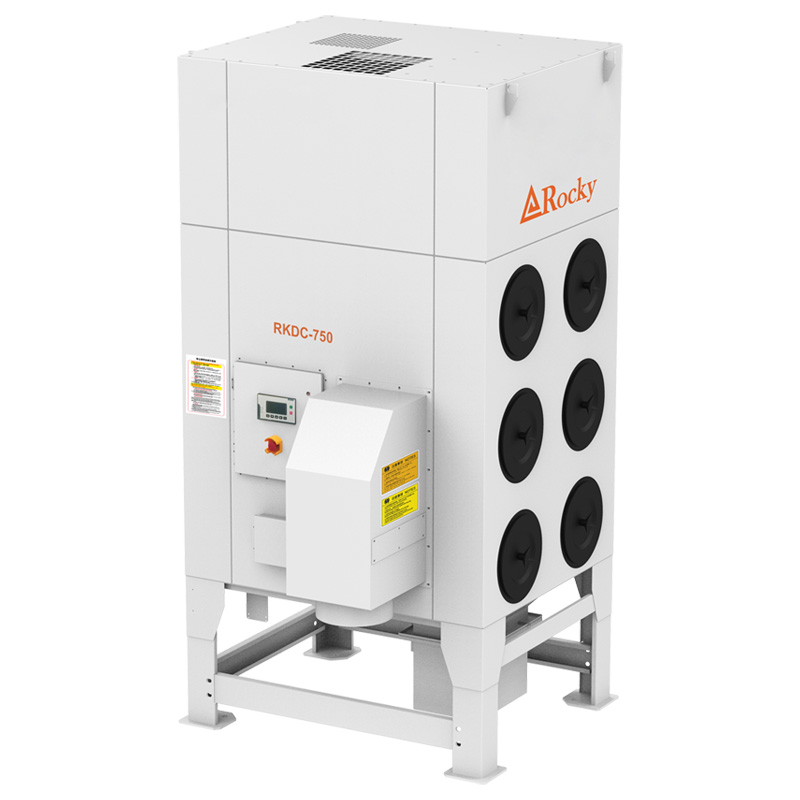
Portable air purifiers offer an effective solution for improving air quality in your home, office, or workplace. They function by drawing in contaminated air, capturing dust, allergens, mold spores, and odors, and then releasing fresh, clean air back into the room. Using a portable air purifier helps protect your health, reduces triggers for allergies or asthma, and creates a more comfortable environment. Thanks to their compact size and ease of mobility, you can place them wherever air quality improvement is needed. Many people choose to use portable air purifiers in their homes or workplaces because they offer a rapid, practical, and effective way to purify the air, making these spaces safer and healthier.
What Is a Portable Air Purifier? How Does It Work?
Clean indoor air is crucial for both comfort and health. Nowadays, many people use specialized devices to remove harmful airborne particles. Portable air purifiers are a popular choice, offering fast results and the convenience of being easily moved to wherever they are needed.
Below, you will learn how this device works and how it differs from other air purification systems.
Understanding the Primary Uses and Working Principles of Portable Air Purifiers
Portable air purifiers achieve their function by drawing in stale air and releasing purified air back into the room. Their internal, high-performance filters are capable of capturing dust, mold spores, pollen, and odors. Many models—particularly those equipped with High-Efficiency Particulate Air (HEPA) filters—utilize sophisticated filtration systems designed to capture tiny particles that standard filters might otherwise miss.
People typically use air purifiers at home when allergies or indoor air pollution become a concern. Since these devices are portable, you can position them in specific areas where air quality needs improvement. This simple yet effective method of purification is essential for helping you breathe more easily and for creating a healthier indoor environment.
How Do Portable Air Purifiers Differ from Other Air Purification Devices?
Portable air purifiers are characterized by their sturdy construction and their ease of portability—features directly attributable to their specific design. Unlike standard air purifiers, many commercial units employ multi-layer filtration systems capable of effectively handling heavy dust loads, construction debris, and strong odors. This enables them to perform effectively even in harsh environments where ordinary purifiers would struggle to cope.
Another significant distinction lies in their portability and suitability for short-term use. For instance, portable High-Efficiency Particulate Air (HEPA) purifiers—commonly utilized in the construction industry—are frequently transported from one job site to another to rapidly address airborne particulates. Some users even opt to rent HEPA purifiers for temporary applications. Thanks to their robust capabilities and inherent flexibility, these portable units are able to purify larger volumes of air and tackle more challenging air quality issues.