
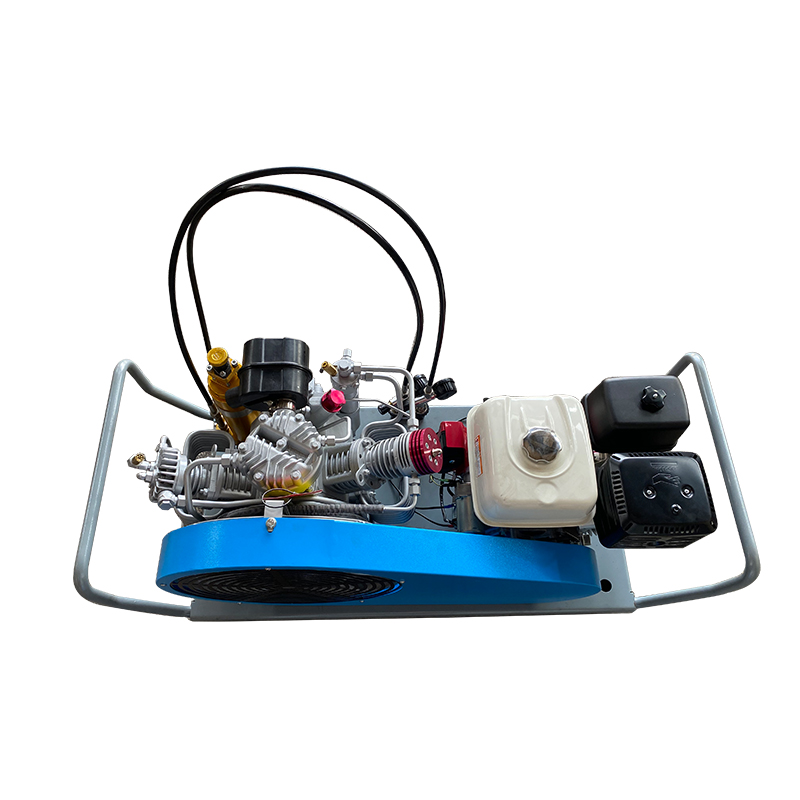
As summer approaches, rising air temperatures and humidity levels will place a heavier moisture load on your air compressor's air-handling systems. Summer air is significantly more humid; under peak summer operating conditions (50°C), the moisture content in the air can be as much as 650% higher than that typically observed during the coldest winter temperatures (15°C). As temperatures climb, the operating environment for your air compressor becomes increasingly harsh. Improper management can lead to severe overheating—triggering high-temperature shutdowns—or even result in lubricant carbonization (coking). Therefore, it is imperative to ensure your air compressor is fully prepared to face the most demanding challenges of the year!
1. Replace Air Filters Regularly
A clean air filter allows the compressor to operate at lower temperatures and consume less energy. Conversely, a dirty or clogged filter causes a pressure drop, forcing the compressor to work harder—operating at higher output levels—to meet demand. Filter performance is also adversely affected by excess moisture; therefore, be sure to strictly adhere to the standard 4,000-hour maintenance schedule and incorporate additional seasonal inspections.
2. Check Ventilation and Oil Filters
During the summer, pay special attention to air circulation and oil filters. It is crucial to inspect the compressor room and adjust ventilation and airflow as needed. This also presents an excellent opportunity to check for pollen—which is prevalent in the spring—and other airborne contaminants, ensuring that the ventilation system remains clean and clear before the intense summer heat sets in.
A clogged oil filter prevents the lubricant from effectively dissipating the heat generated during air compression. It also hinders the proper lubrication and cooling of the compressor rotors, potentially leading to significant financial losses. Here is a video explaining the working principle of an oil filter:
3. Inspect Drainage Lines
The higher humidity levels typical of summer result in increased condensate production requiring drainage. Ensure that all drainage lines are free of obstructions and in proper working order so they can effectively handle the increased volume of condensate. When the rotor outlet temperature drops below 75°C, condensate may precipitate out of the hot, humid compressed air. At this stage, the condensate can mix with the lubricant, causing the oil to emulsify. Consequently, the water should be treated before being discharged directly into the sewer system. Inspect the filters and separation tanks within the condensate treatment unit to ensure they are functioning correctly.
4.Clean the Coolers
Imagine wearing a wool sweater on a scorching summer day—it would significantly impact how you sweat and how your body regulates its internal temperature. The same applies to your air compressor. A clogged cooler can hinder the compressor's ability to dissipate heat during the hot summer months, leading to overheating. Therefore, it is essential to keep the cooler clean and to perform regular cleaning.
5. Adjusting the Water-Cooling System
Furthermore, water-cooled air compressors allow for the adjustment of the water temperature entering the cooling system. This enables the system to compensate for rising ambient temperatures, thereby ensuring optimal performance under summer operating conditions.